


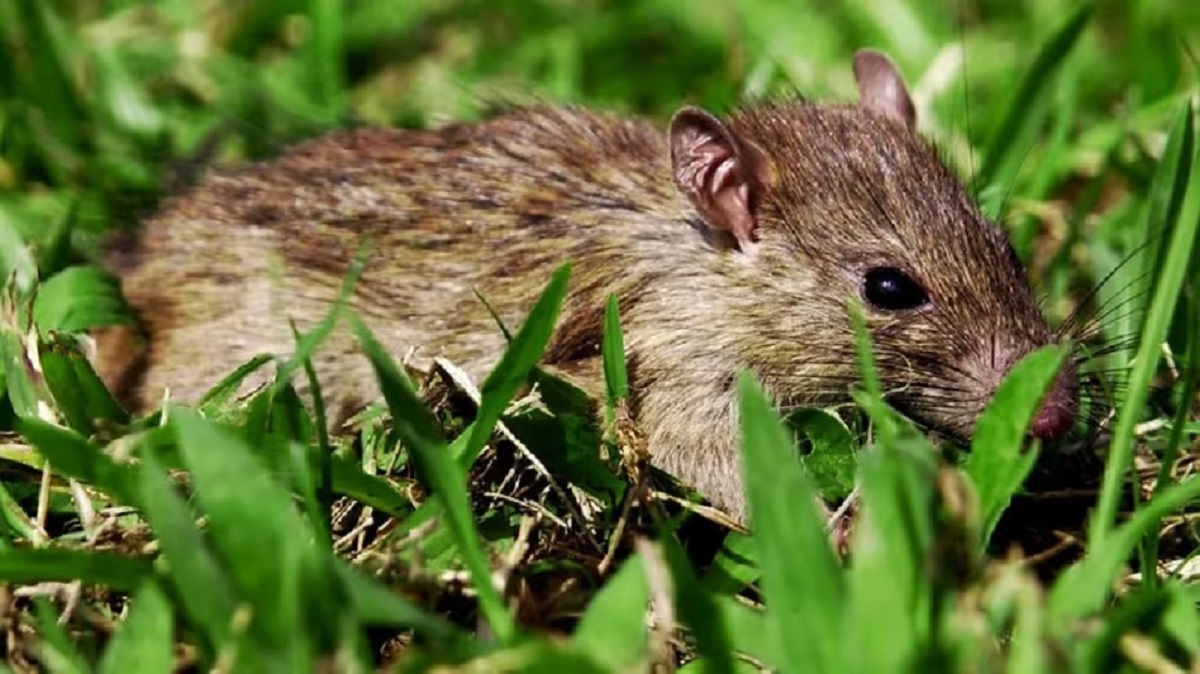
More than 5,000 farmers across all 11 districts of Mizoram have lost 42% of their annual harvest this year following a massive rodent outbreak triggered by the gregarious flowering of the bamboo species Bambusa Tulda. Officials from the State Agriculture Department confirmed the full extent of the destruction on Tuesday. Deputy Director (Plant Protection) Laldinkimi said the infestation has ravaged more than 1,700 hectares of cultivated land, affecting 5,317 farmers statewide. Combined, the affected farmers have lost nearly half of their produce.
She noted that the situation has begun to stabilise over the past few months due to extensive government-led mitigation efforts, including poisoning drives and natural population decline after the harvest period. “The outbreak is now largely contained because of mass poisoning drives and other control measures. The rodent population has also begun to drop,” — Laldinkimi .The north-western district of Mamit, bordering Bangladesh and Tripura, reported the highest number of affected families. A total of 2,009 households suffered an estimated 60% crop loss, making it the worst-impacted region in absolute numbers. Lunglei district recorded losses among 1,071 farmers, who together lost 60.7% of their crops.
However, in terms of proportional damage, Hnahthial emerged as the hardest-hit district, with 130 farmers losing a staggering 82.9% of their yield. According to the Agriculture Department, the crisis was triggered by the gregarious flowering of Bambusa Tulda, locally called “Thingtam.” The flowering was first detected in a Mamit village in February last year before spreading to 12 villages across Mamit and Lunglei. By 2025, Thingtam flowering had spread to all 11 districts. Another bamboo species, Udgona montana (syn. Ochropora montana), known locally as “Thingtang,” also contributed to the rodent boom. Thingtang flowering was recorded in five villages in 2020, expanded to 45 villages in 2024, and continued spreading in 2025.
While paddy suffered the most extensive losses, several other major crops were devastated across districts. These include maize, sugarcane, ginger, brinjal, pumpkin sesame. Agriculture officials noted that the speed and scale of destruction were unprecedented in recent decades. Rodent outbreaks linked to bamboo flowering follow a 48-year cycle in Mizoram. The last major event occurred in 1977. A smaller but widespread surge took place in 2022, affecting at least nine districts. This year’s outbreak is also associated with “Mautam”, the cyclical flowering of Melocanna Baccifera, historically known for causing famine-like conditions in the state. Early warnings from the Centre and preparatory measures by state authorities are credited with preventing a severe humanitarian crisis.
Agriculture forms the backbone of Mizoram’s economy, making the state highly vulnerable to pest-induced disruptions. The dominant practice, jhum (slash-and-burn) cultivation, typically produces short-cycle crops that are more susceptible to sudden ecological shocks. The state also has limited adoption of long-term or high-revenue plantation crops such as oranges, nuts, and pineapples, further increasing economic vulnerability during such outbreaks. Experts note that Mizoram’s very formation as a state is closely linked to famines triggered by bamboo flowering cycles, underscoring the deep connection between ecological patterns and the state’s socio-economic history.


+ There are no comments
Add yours