


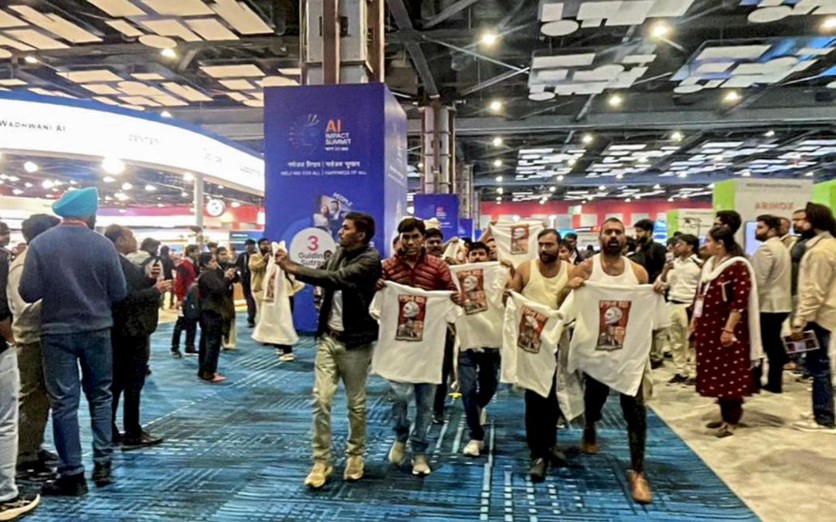
A Delhi court has granted bail to nine members of the Indian Youth Congress (IYC) who were arrested during a high-profile demonstration against the recent international AI Summit held in the national capital. In its ruling, the court characterized the activists’ actions as a “symbolic political critique,” emphasizing that in a robust democracy, the right to dissent is a fundamental pillar that should not be easily suppressed by criminal charges unless there is clear evidence of violence or a threat to public order. The protesters had been detained after staging a dramatic demonstration near the summit venue, where they used placards and digital projections to voice concerns over the lack of ethical AI regulations and the potential for job losses in the domestic labor market. While the police had initially charged the group with obstructing public servants and violating prohibitory orders, the presiding judge noted that the protest was largely peaceful and aimed at drawing attention to a matter of significant public interest rather than causing harm or chaos.
The court’s decision has been hailed by civil rights advocates as a victory for political expression, particularly at a time when major international events often see heavy-handed security measures that can stifle local voices. During the bail hearing, the counsel for the IYC workers argued that the activists were merely exercising their constitutional rights to assembly and speech, and that their detention was an overreach intended to shield the summit’s international delegates from witnessing domestic opposition. The prosecution, on the other hand, argued that the unauthorized gathering posed a logistical challenge to the high-security “Green Zone” established for the summit, but the court found that the “symbolic” nature of the protest outweighed the minor administrative inconveniences cited by the authorities. The release of the nine workers is expected to happen shortly, following the completion of bond formalities, though the court has directed them to cooperate with any further investigations into the procedural aspects of their assembly. This case highlights the ongoing tension between maintaining high-level security for global diplomatic events and preserving the democratic space for citizens to critique government policy on the streets of the capital.


+ There are no comments
Add yours