


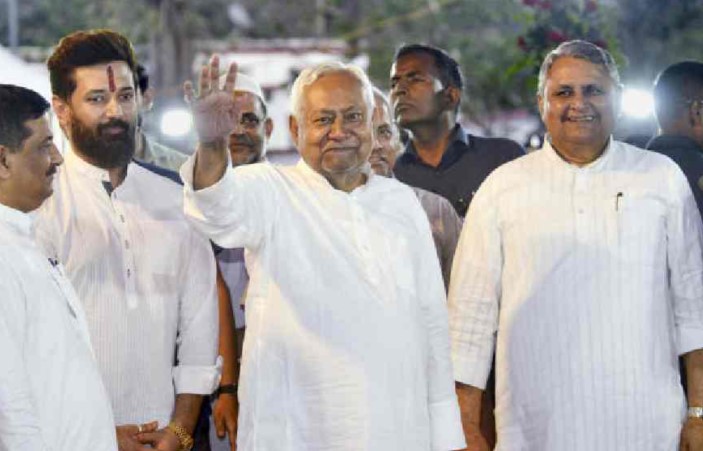
The National Democratic Alliance (NDA) has significantly strengthened its position in the Rajya Sabha following the biennial elections held on March 16, 2026, capturing a commanding 21 out of the 37 seats contested across multiple states. This decisive victory, marked by a clean sweep in Bihar and strategic gains in Odisha and Haryana, further tightens the Bharatiya Janata Party’s (BJP) grip on the Upper House of Parliament. In Bihar, the NDA showcased remarkable unity by winning all five vacant seats, with heavyweights such as JD(U) chief Nitish Kumar and BJP National President Nitin Nabin emerging victorious. The outcome in Bihar was particularly striking as the opposition Mahagathbandhan struggled with internal fractures, including the absence of four legislators during the crucial voting process, which effectively neutralized their challenge and handed a total victory to the ruling coalition.
The electoral drama extended to Odisha, where the BJP defied assembly numbers to secure three of the four available seats, aided by significant cross-voting from Biju Janata Dal (BJD) and Congress MLAs. Among the notable winners was Independent candidate Dilip Ray, who triumphed with BJP backing, alongside state party president Manmohan Samal and Sujeet Kumar. This result underscored a shifting political landscape in the state, leaving the BJD with only a single seat. Meanwhile, in Haryana, after a tense night involving legal complaints and a temporary halt in counting over ballot secrecy, the NDA further bolstered its tally. These gains are pivotal for the government, as the increased numbers in the Rajya Sabha will facilitate a smoother legislative path for major policy reforms and constitutional amendments that previously faced stiff resistance in the Upper House.
With these results, the NDA’s collective strength is inching closer to the elusive majority mark in the 245-member house, reflecting a broader trend of regional consolidation under the saffron banner. Political analysts suggest that the 2026 biennial cycle has not only rewarded the NDA’s organizational discipline but also exposed the deepening vulnerabilities within the INDIA bloc’s state units. As the newly elected members prepare to take their oaths, the shift in parliamentary arithmetic signals a period of unchallenged legislative momentum for the Prime Minister’s third-term agenda. The consolidation of power in the Rajya Sabha marks a strategic milestone for the BJP, ensuring that the government’s vision for “Viksit Bharat” encounters fewer procedural hurdles in the years leading up to the next general election.


+ There are no comments
Add yours